0726: Why Am I So Hard On Myself?
Jun 28, 2026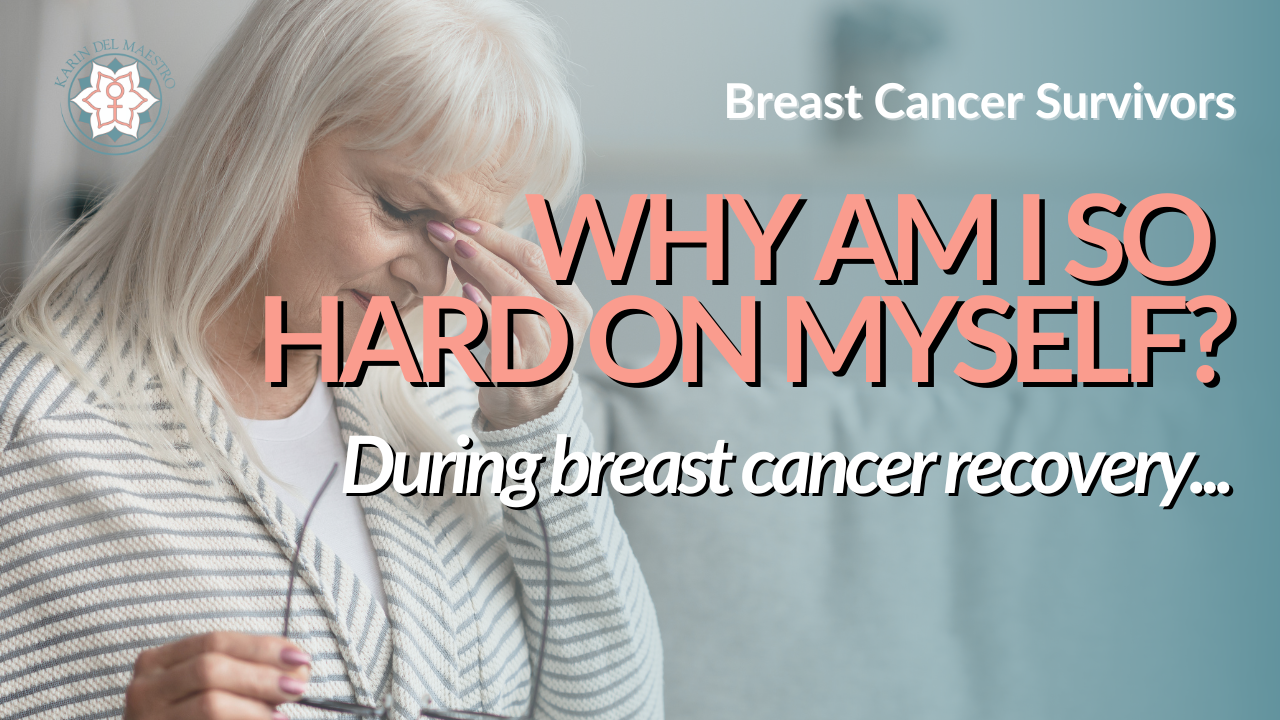
What if the very patterns that helped you survive life before cancer are the same patterns making recovery harder after cancer?
One of the biggest misconceptions after breast cancer is that recovery requires more discipline, motivation or willpower...
→ Eat better.
→ Exercise more.
→ Reduce stress.
→ Get more sleep.
→ Drink more water.
→ Take better care of yourself.
Most women already know these things.
The problem isn't a lack of information.
(I highly suspect you've been researching on Google and ChatGPT on a daily basis 😉)
➡️ The problem is that knowing what would help and actually being able to do it consistently are often two very different things.
If you've ever found yourself thinking:
"I know what I should be doing...
so why can't I seem to do it?"
You're not alone.
In fact, it's one of the most common things I hear from breast cancer survivors.
And for years, many women assume the answer is simple.
"I need to try harder."
"I need more discipline."
"I need to get back on track."
But what if the problem isn't discipline at all?
What if you're trying to build recovery on top of constant self-criticism?
☕️ Too tired to read? Here's the scoop...
Many breast cancer survivors believe they need more discipline, motivation, or willpower to feel better.
But what if the problem isn't a lack of effort?
What if the very patterns that helped you survive life before cancer, people-pleasing, perfectionism, being the strong one, putting everyone else's needs first...are quietly making recovery harder?
The good news?
Recovery doesn't have to start with pushing harder.
Sometimes it starts with creating a little more safety, a little less pressure, and reconnecting with yourself again.
Because the healthy habits matter.
But what many women are really craving is a sense of coming home to themselves. 💛
If this feels familiar, you're not alone. We'll be exploring this topic more deeply in this month's free class.
The Voice Most Women Don't Notice
Many women speak to themselves in ways they would never speak to someone they love.
The thoughts often sound familiar:
🔊 You should be doing more.
🔊 You shouldn't still be struggling.
🔊 Other women seem to be handling this better.
🔊 You need to get it together.
🔊 You know better.
🔊 Try harder.
The problem isn't that these thoughts show up.
Most of us have them.
The problem is that after hearing them often enough, they start sounding like truth.
They become background noise.
So familiar that we stop questioning them.
But your body is still listening. And carrying that pressure every day is exhausting. Not because you're weak.
Because pressure is heavy.
You cannot build sustainable recovery on top of constant self-criticism.
A Conversation That Changed The Way I Saw Recovery
Years ago, I came across the work of Dr. W. Douglas Brodie and what he described as the Cancer Personality Profile.
What caught my attention wasn't the debate around whether personality traits influence disease.
What caught my attention was how many women immediately recognized themselves in the description.
✔️ The helper.
✔️ The caregiver.
✔️ The responsible one.
✔️ The peacemaker.
✔️ The woman who takes care of everyone else.
✔️ The woman who keeps going no matter what.
✔️ The woman who rarely asks for help.
✔️ The woman who puts her own needs last.
For many breast cancer survivors, reading those characteristics feels uncomfortably familiar.
I know it did for me.
Now let's be very clear.
This is not about blame.
This is not about suggesting these traits caused cancer.
That is not the conversation we're having.
The conversation we're having is this:
If these patterns are still running the show after treatment ends, they can quietly make recovery much harder than it needs to be.
And that's worth paying attention to, don't you think?
The Recovery Problem Nobody Talks About
Many women leave treatment believing recovery will mostly be physical.
A little more rest.
A little more time.
A few follow-up appointments.
And eventually life will return to normal.
Or they'll adjust to their "new normal".
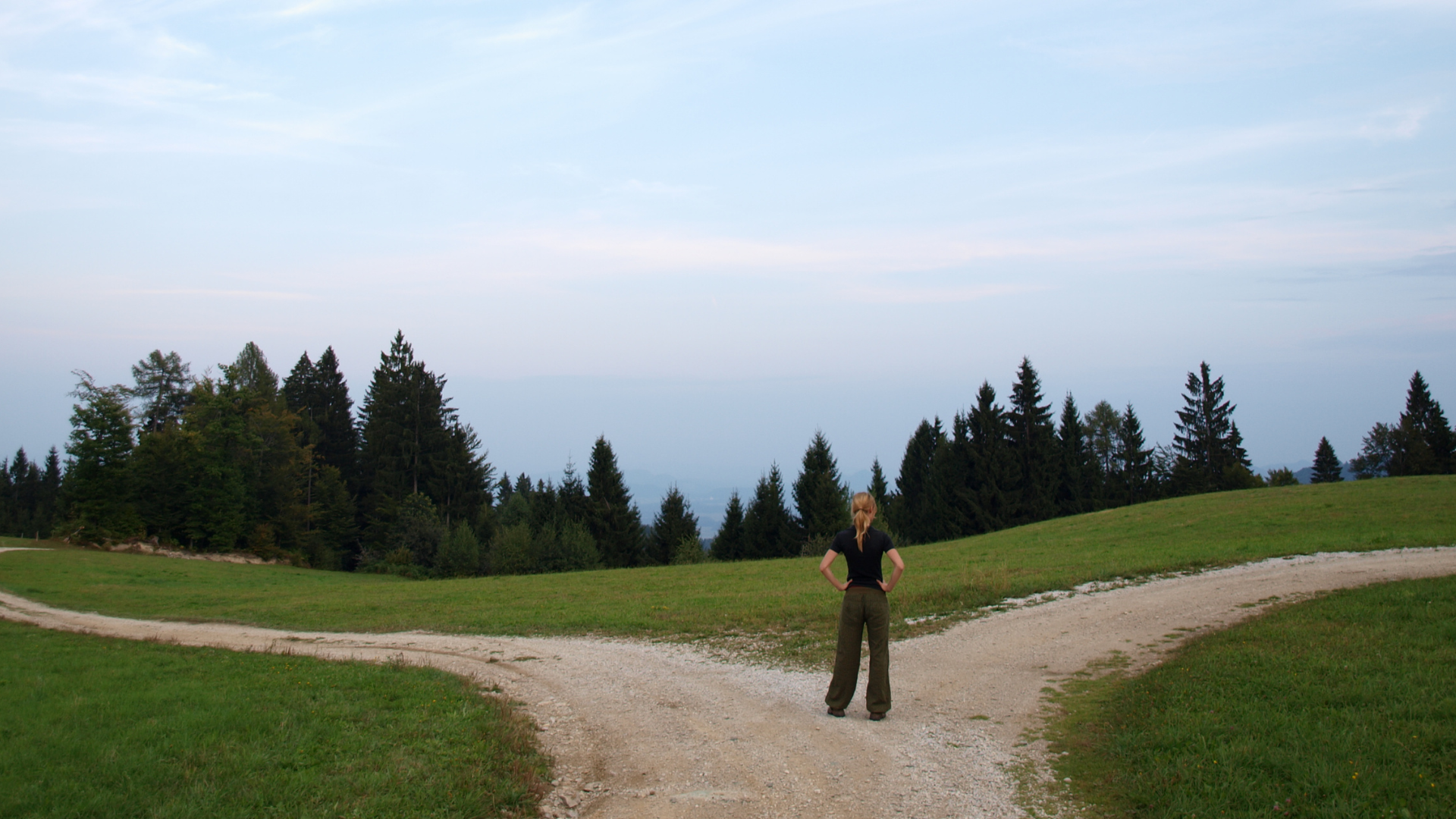
But what if the habits, beliefs, and coping strategies you've relied on for decades come with you into survivorship?
What if the woman who always put everyone else's needs first is still doing that?
What if the woman who never asks for help is still not asking for help?
What if the woman who measures her worth by productivity is still doing that?
What if the woman who criticizes herself into action is still using the same strategy she's always used?
Treatment may be over.
But those patterns often aren't.
And sometimes they're quietly draining the very energy you're trying so hard to rebuild.
Why Self-Criticism Feels Helpful
Most women don't criticize themselves because they're trying to be mean.
They criticize themselves because they think it helps.
They believe it keeps them accountable . Keeps them motivated and moving forward.
For years, it may have appeared to work.
It may have helped you build a career.
Raise a family.
Navigate difficult seasons.
Get through impossible situations.
It did for me too!! I was that woman...
But after breast cancer, many women discover something frustrating.
What used to work doesn't work anymore.
🙁 The pushing creates more exhaustion.
🙁 The pressure creates more resistance.
🙁 The criticism creates more overwhelm.
And then they assume they're failing or that something's wrong with them.
When in reality, their body may simply be asking for a different approach.
Your Nervous System Doesn't Hear Motivation
⚠️ It Hears Threat ⚠️
One of the things we talk about often inside Thrivership School™ is the difference between pressure and safety.
When you're constantly criticizing yourself, your nervous system doesn't hear encouragement.
It hears pressure and danger.
It hears:
"You're not enough."
"You're falling behind."
"You should be doing better."
And when the nervous system feels threatened, it naturally shifts toward protection.
That's wonderful when you're facing an actual emergency.
It's far less helpful when you're trying to create healthy habits.
Because when the nervous system is protecting, everything becomes harder.
Decision-making.
Consistency.
Follow-through.
Motivation.
Change.
This is one reason so many women know exactly what would help them...
and still struggle to do it.
Not because they're lazy or broken.
But because pressure and safety create very different outcomes.
💛 Curious?
Many women think they need more discipline after breast cancer.
Discover the often-overlooked part of recovery that may explain why healthy habits still feel so hard.
The Hidden Cost Of Being The Good Girl
Many women in our community describe themselves as:
The dependable one.
The helper.
The caregiver.
The one everyone can count on.
And those qualities are beautiful.
Until they come at your own expense.
Because somewhere along the way, many of us learned:
Everyone else's needs come first.
Saying yes is easier than disappointing someone.
Being strong is safer than being vulnerable.
Giving is easier than receiving.
And after breast cancer, those same patterns often continue.
You know you need rest. But you push through.
You know you need support. But you tell everyone you're fine.
You know you're overwhelmed. But you convince yourself to handle it alone.
These moments seem small.
But over time they reinforce a powerful message:
"Everyone else's needs matter more than mine."
What If Recovery Isn't About Pushing Harder?
What if recovery isn't about becoming more disciplined?
What if it's about becoming more aware?
More honest and compassionate with yourself and your body.
More willing to notice the ways you've been abandoning yourself.
More willing to reconnect with the woman underneath all the coping, striving, caregiving, and pressure.
Because recovery isn't just about rebuilding energy.
Sometimes it's about rebuilding your relationship with yourself.
Sometimes it's about finding your way home again.
The healthy habits matter.
But what many women are really craving is reconnection with themselves.
When The Pressure Softens
Something interesting happens when women begin loosening the grip of constant self-criticism.
It doesn't happen overnight, but quietly.
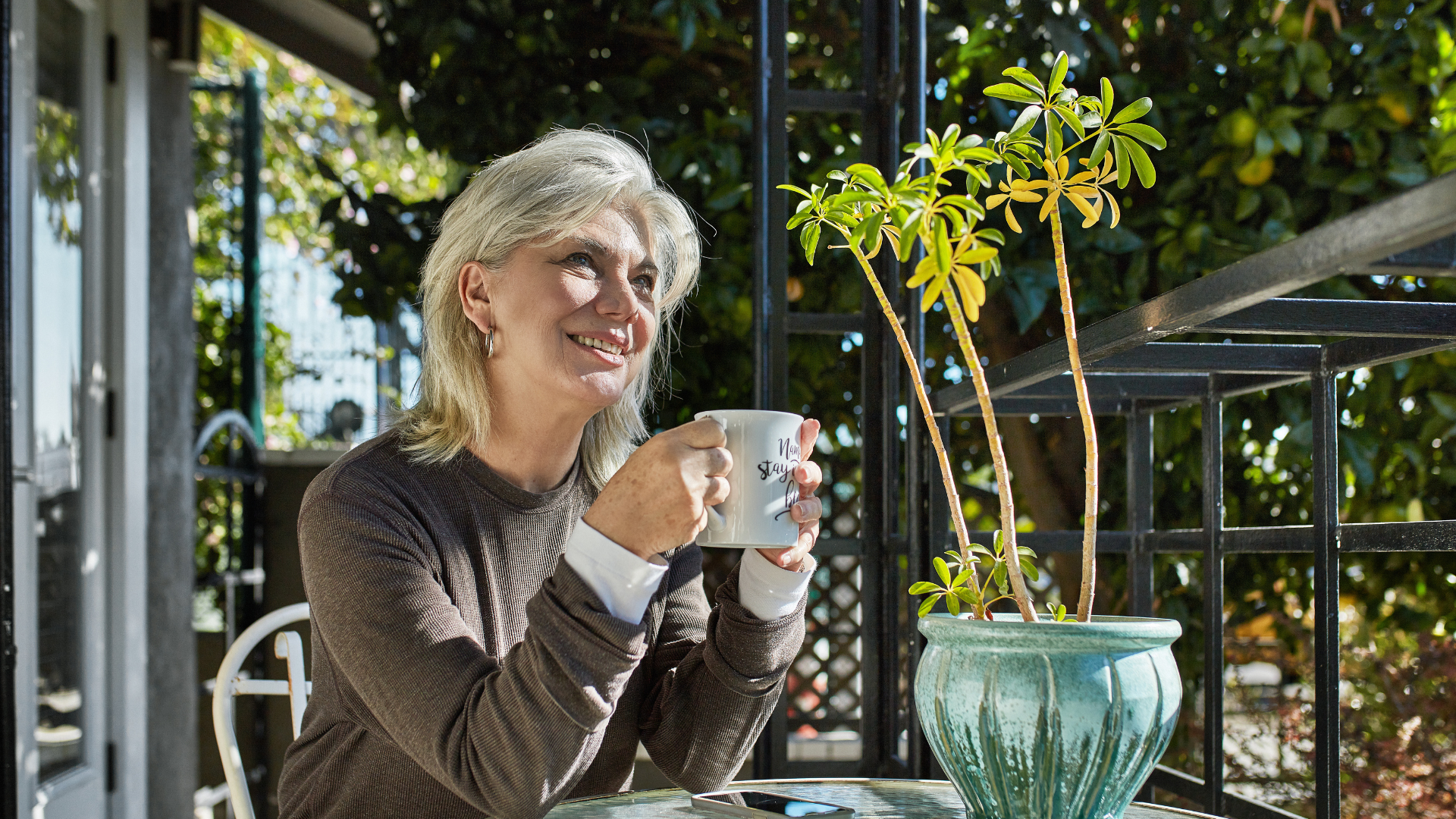
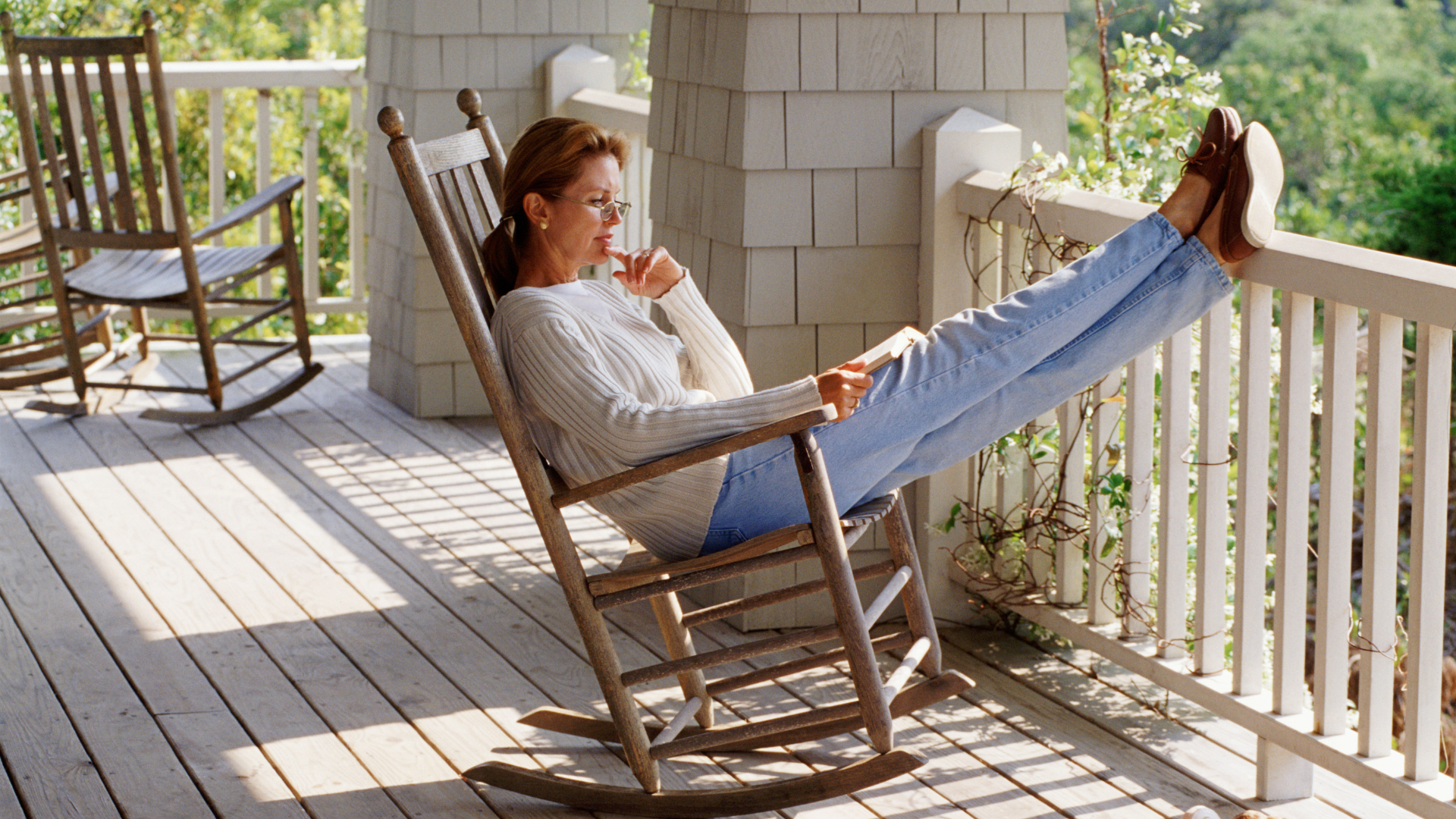
☕️ One woman notices she can sit on the back deck with a cup of coffee without mentally reviewing her entire to-do list.
🚶 Another realizes she went for a walk because it sounded enjoyable, not because she was trying to make up for yesterday.
🫶 Someone else notices that when her partner asks how she's doing, she actually answers honestly instead of saying, "I'm fine."
These moments may seem insignificant from the outside.
But they represent something profound.
The beginning of reconnection.
The beginning of trusting yourself again.
The beginning of feeling more at home in your own body and life again.
And the people around you begin noticing too.
💛 Your partner gets a version of you that isn't running on fumes.
💛 Your children or grandchildren experience someone who is more present and less depleted.
💛 Conversations feel lighter.
💛 Resentment softens.
💛 You laugh more.
💛 You enjoy moments more.
💛 You stop carrying the exhausting weight of constantly trying to prove you're doing enough.
The circumstances of your life may not have changed.
But your relationship with yourself has.
And that changes everything.

A Different Question
Instead of asking:
"What's wrong with me?"
What if you asked:
"What patterns might still be running my recovery?"
Instead of:
"Why can't I get it together?"
What if you asked:
"What would support me right now?"
Instead of:
"How do I push harder?"
What if you asked:
"How do I create more safety?"
Those questions lead somewhere very different.
And often somewhere much kinder.
A Gentle Invitation 💌
If you've ever found yourself thinking:
"I know what would help me... I just can't seem to do it."
I'd love to invite you to my free live class:
Save your seat here 👉🏻 I Thought I'd Feel Better By Now...
A gentle conversation about the often-overlooked part of breast cancer recovery that may explain why you're still feeling stuck, exhausted, overwhelmed, or struggling to follow through on the healthy habits you want for your future.
Because the answer may not be more discipline.
It may be learning how to create the conditions that make recovery feel possible again.
And that starts with understanding one simple truth:
You cannot build sustainable recovery on top of constant self-criticism. 💛