0126: Why This Feels Harder Than It Should
Dec 31, 2025
The part of recovery no one really prepared you for...
January has a way of doing this, doesn’t it?
Even if you’re not someone who sets resolutions, the message is hard to miss.
Fresh start. New habits. Get back on track.
A subtle (or not-so-subtle) nudge to push forward.
After breast cancer, that pressure can feel even louder...
as if the calendar itself is saying, “Okay… time to move on now.”
And yet, for many women, January doesn’t feel energizing at all.
It feels heavy. Quiet. Resistant in a way that’s hard to explain.
If that’s been your experience, come sit with me for a moment.
If we were sitting together right now...
a mug of tea warming your hands,
I have a feeling you might say something like this:
“I don’t know how to explain it…
I just thought things would feel easier by now.”
Not dramatically.
Just that quiet heaviness that shows up when life looks like it’s moving forward…
but you feel like you’re wading through molasses on the inside.
Not stuck... just slowed by something no one named.
If you’ve had that thought, even once, I want you to hear this gently and clearly:
You’re not imagining it.

The part no one really talks about
When treatment ends, there’s often an unspoken expectation in the air:
Okay. You’re done now. Time to get "back to normal."
Appointments slow down.
People stop checking in as much.
On the outside, things look… "fine".
But inside, your body may not feel finished at all.
You wake up tired in a way sleep doesn’t fix.
🗓️ You hesitate before making plans.
⚖️ Simple decisions feel oddly heavy.
And because no one warned you about this part of recovery, it’s easy to turn that confusion inward.
Why pushing doesn’t work the way it used to
Before cancer, pushing through worked for me too.
I was capable. Reliable.
The kind of woman who could put her head down and keep going ...
through hard seasons, tired days, and things that felt unfair.
So when treatment ended, I did what I’d always done.
I tried to push myself back to who I used to be.
I told myself:
Just try a little harder.
You know how to do this.
Don’t make such a big deal out of it.
But instead of feeling stronger, I felt more exhausted.
Foggy. Disconnected. Frustrated with my own body and mind!
That was my aha moment.
It wasn’t that I’d lost my resilience.
It was that my body no longer responded to pressure the way it once had.
Pushing didn’t motivate me anymore...
it shut me down.
And that’s when I realized...I wasn’t in a season that responded to force anymore.
And honestly, at first, that scared me a little...
Because I’d always been someone with drive.
Someone who could set her mind to something and follow through.
So when my motivation disappeared, I assumed something was wrong with me.
But here’s what I understand now... and what I wish every woman knew:
I hadn’t lost my motivation.
My body just no longer felt safe responding to pressure.
What looked like a lack of motivation
was actually self-protection.
My system wasn’t saying “I can’t.”
It was saying, “Not like this.”
It was like trying to sprint on a freshly sprained ankle.
Not because I was weak…
but because something needed care before speed.
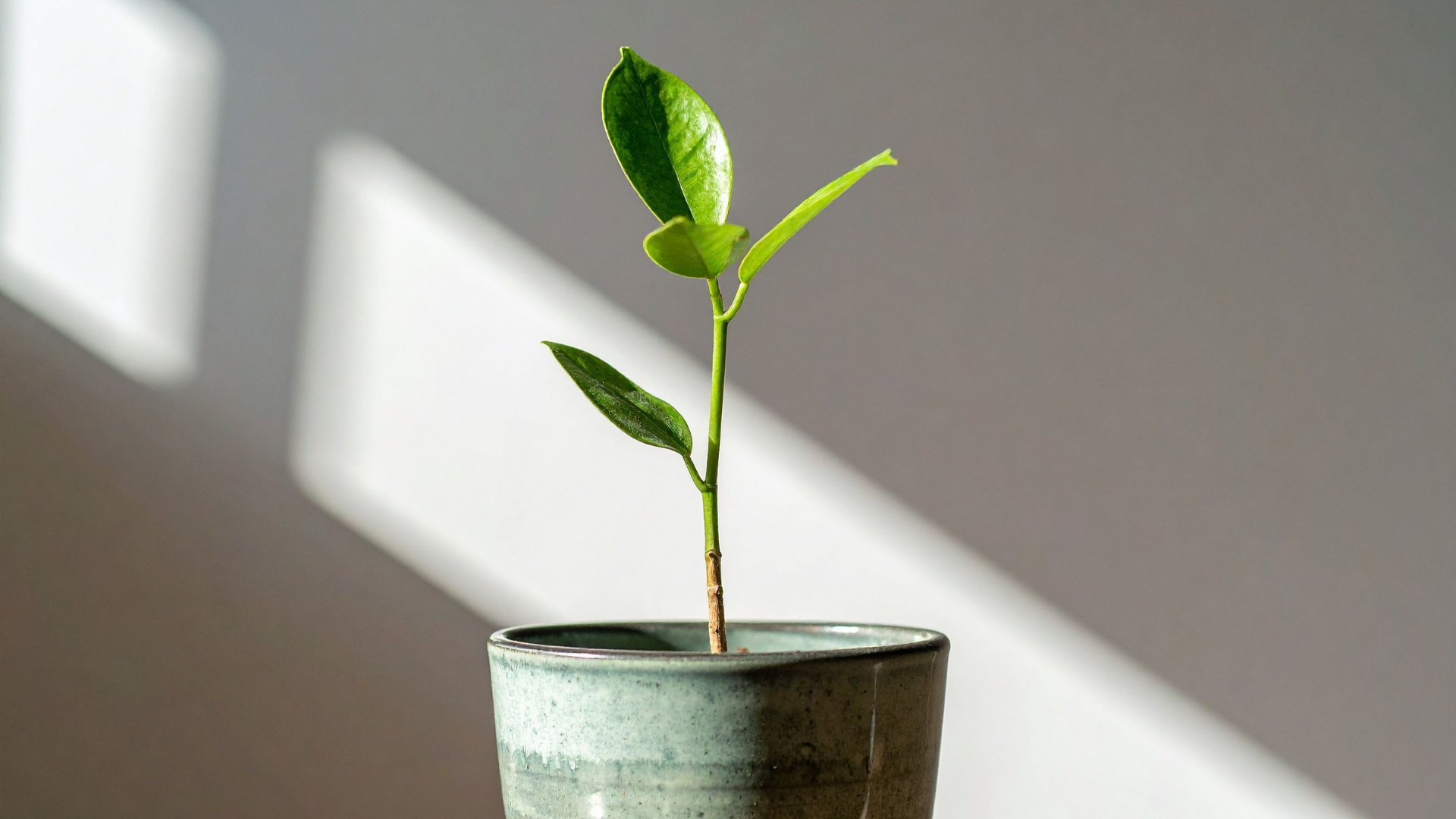
When motivation disappears, or energy dips, or your body hesitates...it isn’t laziness.
It’s information.
Your body isn’t asking you to give up.
It’s asking for a different kind of relationship now ...
one built on safety, listening, and trust… not demand.
When “doing everything right” still feels wrong
This is where many women get stuck.
You’re trying to eat well.
You’re doing what you’ve been told.
You’re grateful to be here.
And yet… something still feels off.
The problem isn’t effort.
The problem is that no one taught us how to relate to our bodies after survival mode.
We’re taught how to endure.
Not how to come home to ourselves again.
And that’s why recovery can feel harder than it should...
because you’re being asked to learn something entirely new, without a map.
Where things begin to soften
For many women (myself included), the shift doesn’t start with big changes.
It starts with noticing.
Noticing when something feels like too much.
Noticing when your body tightens, pulls back or you get the urge to stick your head in the sand.
Noticing how often you override yourself without even realizing it.
And slowly...very slowly...choosing a different response.
This is where gentleness becomes practical.
Where care replaces pressure.
Where safety starts to rebuild.
One of the simplest ways this begins to change is through boundaries ...
not as rules or restrictions, but as small signals of self-respect your body can trust.

A gentle place to begin
If this is resonating, you don’t need to fix anything today.
You don’t need a plan or a fresh start.
Sometimes the most supportive first step is simply creating a little more breathing room.
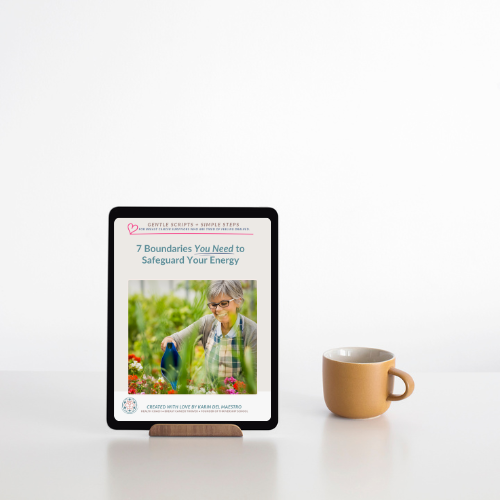
That’s why I created a free guide called:
7 Boundaries to Safeguard Your Energy
You don’t have to use all seven.
Even one can create more breathing room.
They’re simple and compassionate...
designed for this exact season of recovery, when you’re tired of trying to be okay while quietly holding it all together.
These boundaries aren’t about doing less forever.
They’re about helping your body feel safe enough to respond differently.
👉 You can download the free guide here: Get the 7 Boundaries to Safeguard Your Energy
If you’ve been wondering why this feels harder than it should, please hear this:
You’re not behind.
You’re not broken.
You’re not failing at recovery.
You’re body is asking for support and you're learning how to listen to yourself again...
and that is real, meaningful, sustainable work.
I’m so glad you’re here. ☕️💛